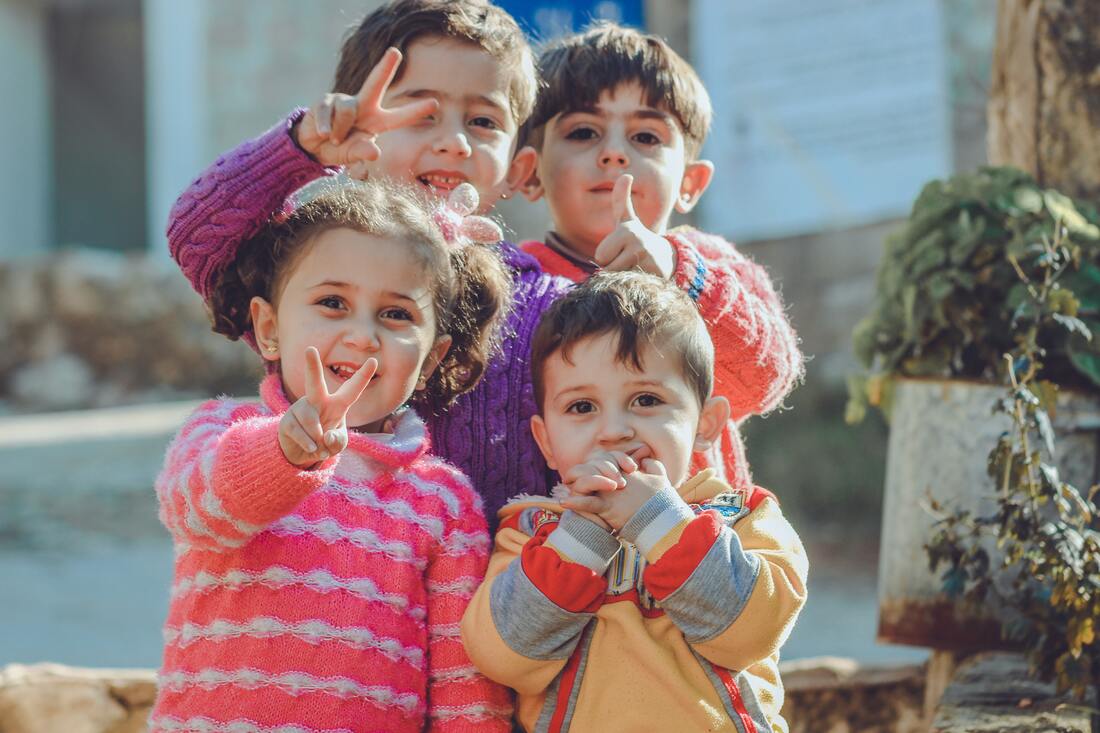
 As the school year starts, you and your children might wonder if camps are something that you can only attend during the summer break. As it turns out, camp is not just for the summer months! Camps are for children all year round! Breaks in the school year make it easy to get your kid into a day-long or week-long program so that they can have fun and you can work like normal. Today, we’re talking a bit about what non-summer camps are, how to find them, and what to expect. Don’t forget to check out Bodies in Motion’s social media to make sure you know when we are hosting camps and other fun retreats and events. What Can You Expect? Though there are exceptions, mid-school year camps will be day camps that are either all day or most of the day options. Overnight camps are generally confined to summer and anything over a week will be hard with most school breaks only lasting five days. Also, your food included will depend on what camp you choose and the price that you pay. In many cases, you’ll need to prepare all three meals for your child, ensuring that they take at least lunch with them. Much like summer camp, you will have the option to pick a theme and length that best suit your family. A five-day rock climbing camp might be great for older kids with interest; however, young kids might only be okay with a day or two to start. Make sure to ask them what they are interested in and get as much information about the class before you sign up. When can you let your kid attend out-of-summer camps? Fall Break The first break that your children will commonly get is fall break. This week-long period in October or November will help your children destress halfway through the fall semester. FOr you, however, it can be stressful as you have to determine what to do with them for the whole week. A week-long camp is a perfect remedy for this situation. For the most part, these will be day camps that take place in a gym, museum, or other local attraction. Your child can learn a new sport or hobby while staying safe and engaged. Winter Break Though not as many are available, winter break is another time when camps are typical due to the long break in between semesters. Day camps and overnight camps, as well as short and long sessions, are available if you look in the right places. Keep in mind; these camps will fill up fast and often take place during the time before or after Christmas. Spring Break The last break that children often get outside of Summer is Spring Break. This week-long period works just as fall break in many ways. Day options with or without food can be found in most major kids gyms, museums, and attractions. In addition, the warming weather makes outdoor sports camps easier to run. Keep in mind, these camps often have the same schedule as school, meaning they don’t run from sunrise until you get off. There is a high chance that you will have to use the same after school method you use during the semester. How to find a camp? The best way to find these lesser-known camps is through social media and Google searching. Though they are advertised, they have often targeted ads that you might miss if you don’t look at the right flyer or sign up for the correct email list. In addition to searching the internet, try going to a local place that your child loves. For example, if your child loves swimming, go to the local swim gym to see if they will be offering any day camps during the week that the local school is out. You never know what you will find out.
0 Comments
 With the school year about to start, chances are your child will finish school before you get home for the day. This can leave a gap where no one is around to watch your children. Do you have to make them go somewhere or can you leave them at home by themselves? A lot of that is based on the emotional maturity of your child, and a bit is based on laws. Today, we're helping you figure it out.
Are they over 14 years old? In the state of Illinois, a child has to be above 14 years old before being left at home alone by law. Anything under this age and you will be legally obligated to make sure that they are supervised at home until you get there. Unfortunately, it does not matter what the emotional state of your child is under this age. How long will they be at home alone for? If your child is 14, chances are they can be left alone for a few hours until you get there. However, if you don't get home until late at night, you should find someone to watch them until you get home. Children at this age can not always handle an emergency. In addition, they are not adults and shouldn't be cooking, cleaning, and going to bed all by themselves. Are they okay with it? While it might seem strange, you should ask to make sure that your child is okay with being at home alone. If they are, then you can look at if they are ready. However, if they are not, you should find out why and work to grow your child's independence before throwing them in the deep end. Do they know what to do in case of an emergency? Does your child know what to do if there is a fire, power outage, or if you're gone longer than you should be? Making sure they know how to handle even the most unexpected emergencies can be the difference between life and death in the worst situations. Make sure they know all the important numbers as well as emergency services and their address. Do they know not to answer the door? When you are not at home, no one should be coming to the house to see the child. If they do, your child should know not to answer the door. In addition, they should not answer the phone unless the caller-ID shows that it's you or another approved person calling the phone. Do they listen to you at home and at school? Perhaps one of the most important factors is their ability to listen when you are at home. Staying at home alone can only be done if the child is responsible and capable of following directions. Think about how they act as school as well. If they can't listen to a teacher and behave when you aren't around, that's not a good sign for staying at home alone. What do they do if they are hungry? Does your child know how to take care of their own basic needs? If they don't, then they won't be able to stay at home alone. Making sure that they know what they can eat and how to get food and water when you are away is the first step in making sure that they can stay at home alone. When you first think about leaving your child at home alone, you should work to run through a few scenarios with them. Get them to answer each question with what they would actually do, for example, if someone came to the door that they didn't know. Then, if they answer the questions correctly, you should leave them alone for short periods of time, working your way up to longer periods. A great way is to start by spending time with the next-door neighbor for thirty minutes then checking back in. Once you can do this often, you can work the time up and start going on trips with the car. Eventually, you'll know how long you can leave your child alone for and what to expect when you get back.  If you’ve been looking for a school option for your growing child, then this list will be the ultimate guide for you. We’ve gathered the 13 different types of schooling that exist in the USA school system. Take a look at the standards and decide what’s best for you and your child.
Public Schooling Traditional Public School Public schooling is the most common type of schooling in the USA. The schools are operated by federal government funds and overseen by school boards. Traditional public schools will abide by certain standards and often show they are meeting those standards via standardized testing. Charter School This school is a mix between a public and a private school. They are free; however, parents have to submit a separate application to enroll in this type of schooling. They can make more decisions about what to teach and focus on in comparison to public schools. Often, the freedom is translated into pressure to perform in their specified field. Magnet School These free public schools specialize in certain areas like the sciences or arts. They are operated by a district and enroll students using a random lottery. They are highly competitive and promote higher-level cognitive and social learning. Public Online School More public schools are opening online options for students. Like home schools, these take place at home. They offer flexibility and freedom for students to learn at their pace. There are major differences per program, so it is vital to track what you are getting into. Private Schooling Traditional Private School The government does not fund these schools. Rather tuition, paid by the parent and ensures that the school is running. They have the freedom to deviate from the national curriculum and focus on whatever they wish. Boarding School A boarding school offers both food and lodging to its child. However, they also have a thriving community of scholars, athletes, and artists. Most schools require students to live on campus for the whole school year. They offer deeper relationships, extra-curricular activities, and many extras other schools can’t. Language Immersion School These types of schools teach in a second language for the students. In general, these are designed for a student whose first language is English but wants to be fluent in another language. In these schools, almost all of the classes are taught in the second language but can be supplemented by English when the need arises. Special Education Schools These types of school are designed for children with mental or physical limitations that are keeping them from succeeding in other types of schooling. They are better equipped to deal with special needs children, their limitations, and their needs. Often, they will have extra counselors, nurses, and advisors that are informed of the specific limitations and needs of each child. Parochial School The first in specifically religious schooling, these schools get most of their funding from a local church. As such, they are often partnered with the church and cheaper than traditional religious churches. Their education is much like a traditional private school; however, they often have a religion class or chappel time. Religious School These are simply private schools that have a religious background. Tuition will still be paid completely by the parent. They often have uniforms that must be paid for outside of tuition. These schools have more control over their religion classes than the parochial schools due because of their independence. Non-Traditional Schooling Montessori Montessori schooling honors each child’s interests. While the curriculum is well rounded, it also emphasizes hands-on learning and subjects that the child has taken an interest in. It’s a structure that teaches children independence and advanced thinking from a young age. Waldorf All Waldorf Schools in the US are nonprofits, and that is, and that’s a defining characteristic of the school. Within the school, emotional and imaginative learning comes first. The educational curriculum does not come into play until seven years of age. This slow and steady approach has proven successful, with 94% of graduates going to college compared to 66% of graduates outside of the movement. Theories Reggio Emilia Not exactly a whole schooling type, the Reggio Emilia schooling type focuses on the ways that a child learns. Founder, Reggio Emilia, famously said, “The child has a hundred languages.” As such, teachers document each student’s learning moments, emotions, and expressions so that they can best teach and help each child grow. |
AuthorBodies in Motion Archives
February 2024
Categories |

- Home
-
Programs & Activities
- Pickleball
- Camps
- Open Play
- Infant & Toddler Care
- Preschool
- After School Care
- Parents Night Out
- Birthday Parties >
- Fitness Classes >
-
Ninja Warrior
>
- Ninja Warrior Classes
-
Ninja Warrior Resources
>
- Ninja Warrior Members
- Ninja Warrior Competition
- Lache Tutorial
- Salmon Ladder Tutorial
- Circuit Board Tutorial
- Unstable Bridges Tutorial
- Devil Steps Tutorial
- Conveyor Belt Tutorial
- Wingnuts Tutorial
- Rumbling Dice Tutorial
- Flywheel Tutorial
- Cliff Hanger Tutorial
- Peg Wall Tutorial
- Monkey Bars Tutorial
- Warped Wall Tutorial
- Flying Bar Tutorial
- Suspended Ladders Tutorial
- Rock Traverse Tutorial
- I-Beam Tutorial
- Invisible Ladder Tutorial
- Flying Squirrel Tutorial
- Ropes Course
- Team Building
- Waiver
- Our Company
- Reviews
- Blog
 RSS Feed
Location |
|